


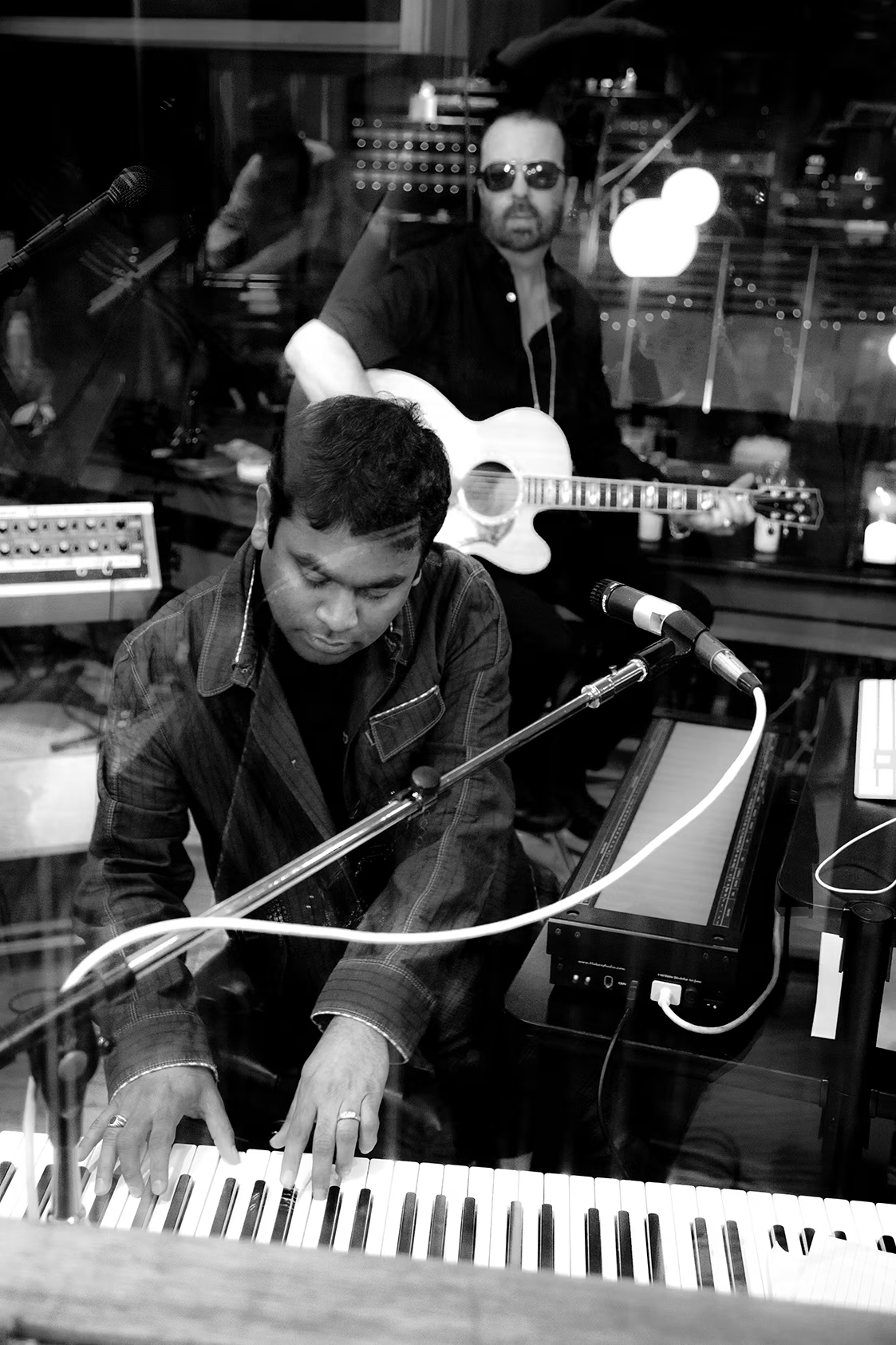
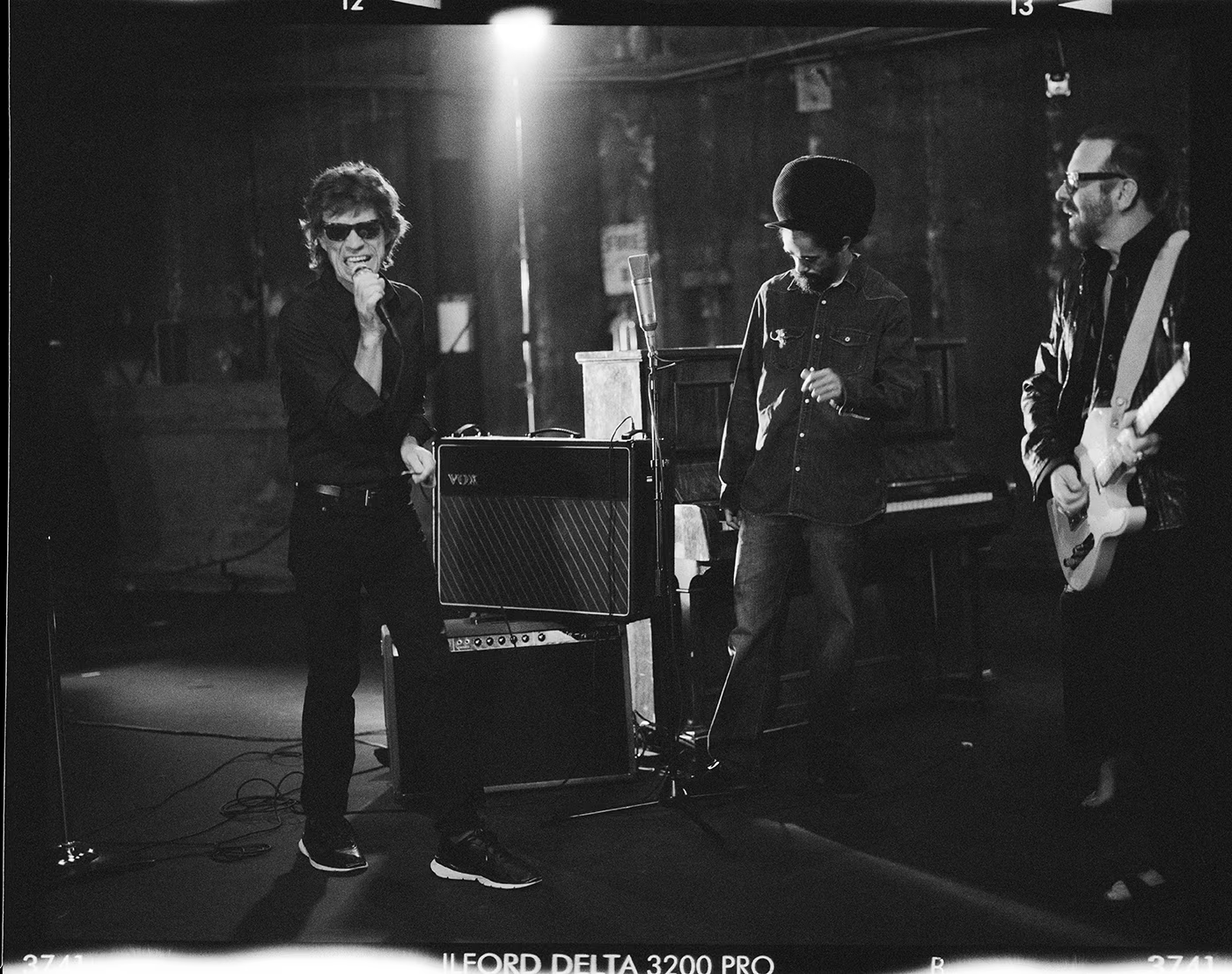
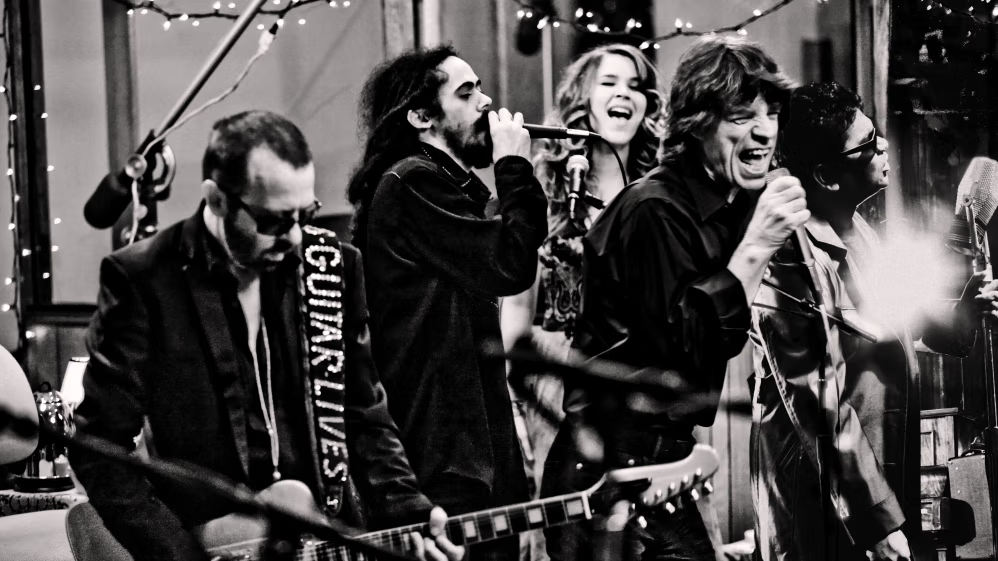
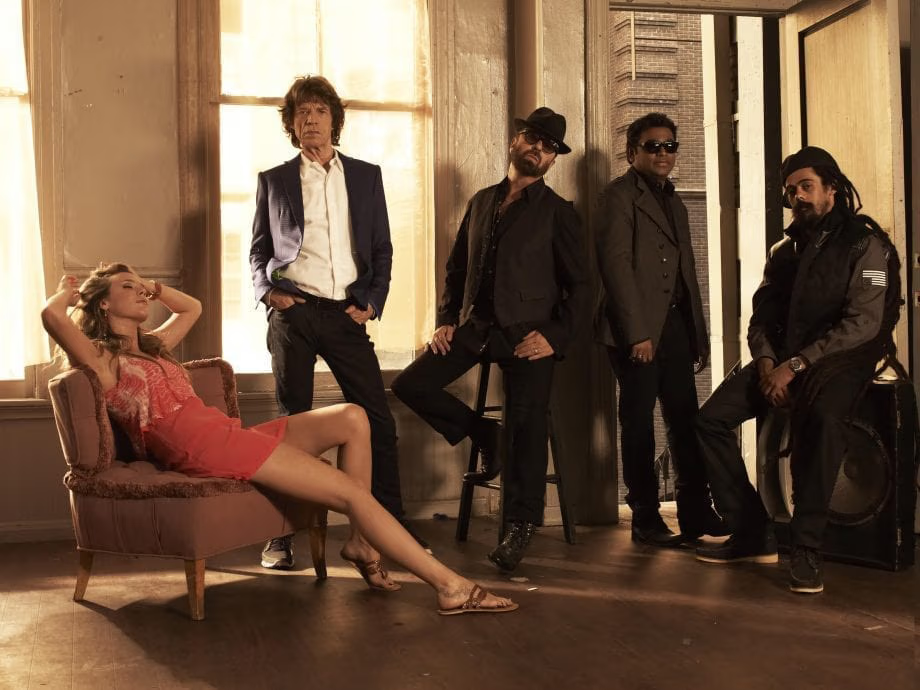
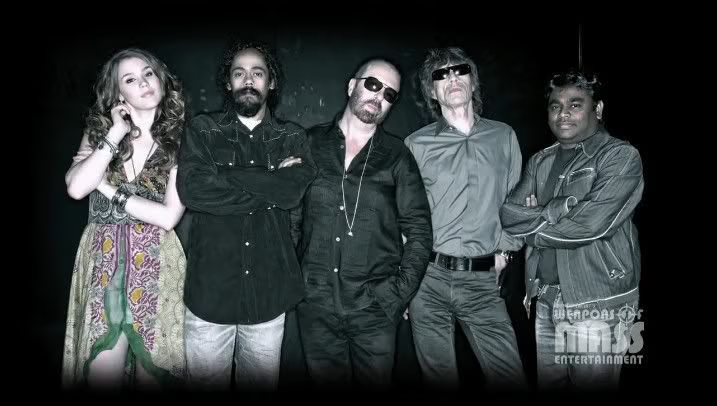
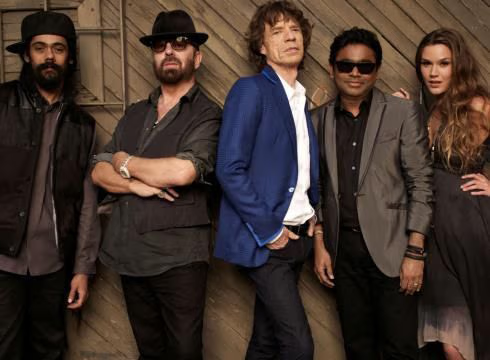
On the SuperHeavy documentary, I stepped into an edit that already had some early groundwork from Shane McLafferty, who had cut together a series of rough, music video–style pieces built around several of the songs. Those became our initial anchors; key moments we could use to start shaping a larger structure around, even though there wasn’t a clear narrative yet.
Very early on, I was asked to turn around a rough assembly in just two weeks. It wasn’t about finesse, it was about getting something on screen. I was essentially throwing material together as fast as possible, pulling selects, blocking out sequences, and forcing a timeline into existence. The result was, honestly, pretty rough. Mick Jagger came in to watch the first 10–15 minutes… we hadn’t even made it through the opening credits. He nodded, stood up, walked out. Not just out of the room, but out of the building... and never came back. That was the version we were starting from.
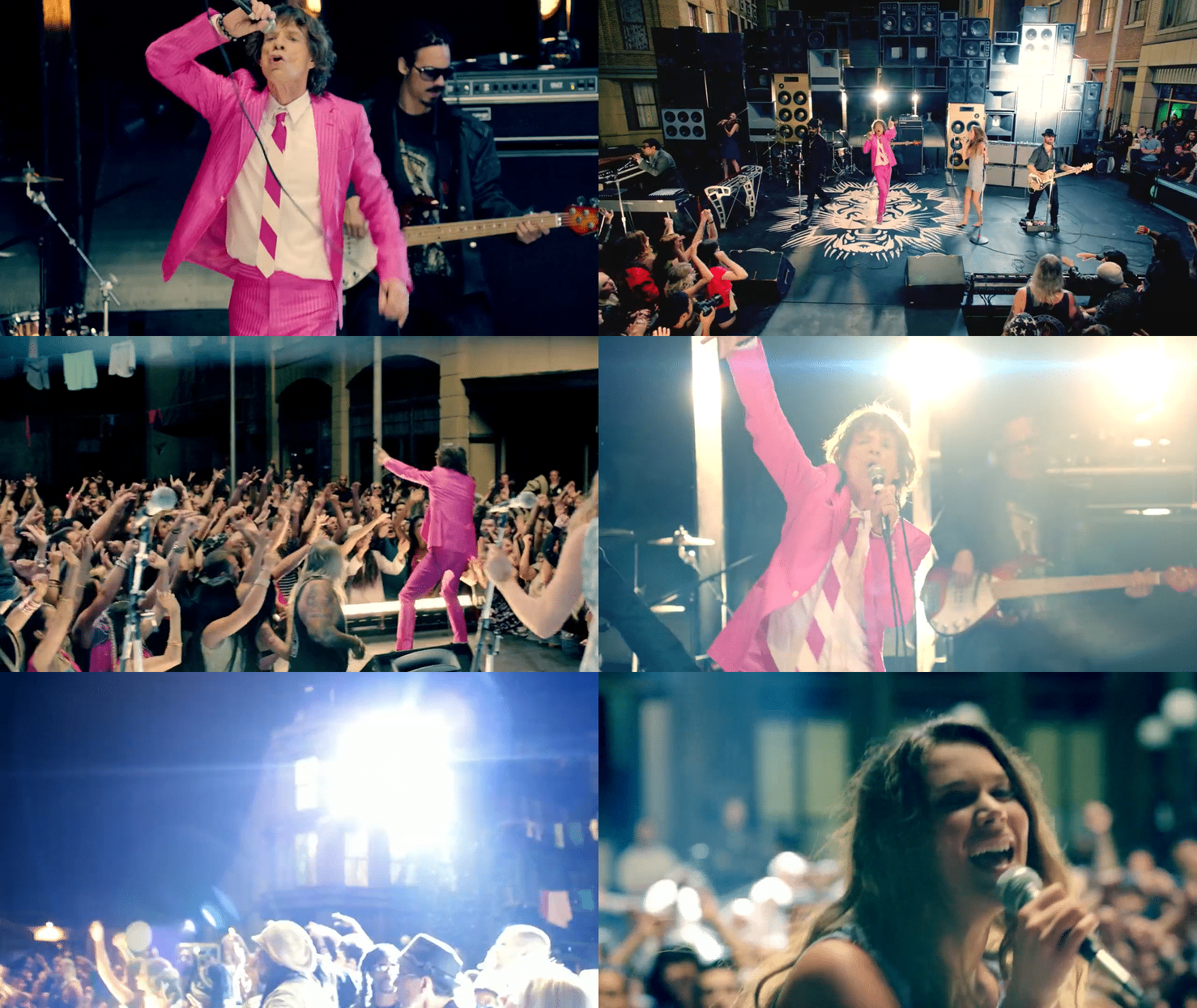
Months later, we reopened the project with a completely different perspective, and that’s when the film really began to take shape. The turning point was using the behind-the-scenes of the Miracle Worker music video as the backbone of the film. Shot over two days on the Paramount backlot with more than 100 extras, it gave us a natural throughline; something with scale, energy, and a clear progression that we could intercut with the broader story of the band coming together.
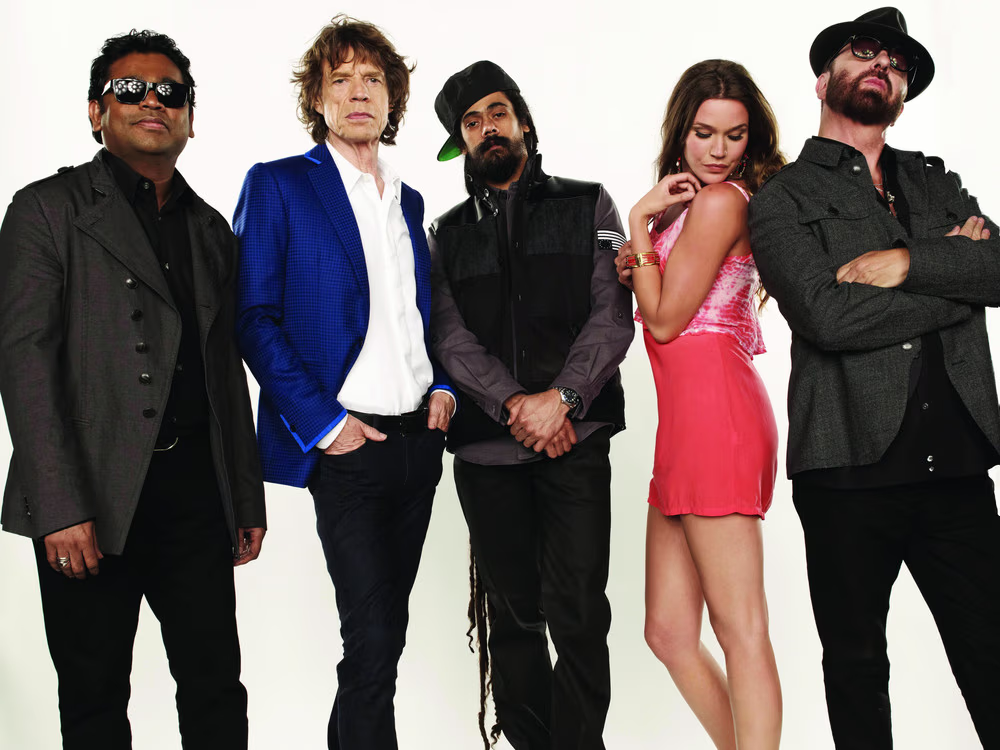
From there, the focus became about weaving everything into that structure; balancing the global, fragmented recording process with a more grounded, visual narrative that audiences could follow. It helped unify what was otherwise a very sprawling project, giving the film momentum and cohesion without losing the experimental nature of how the music was created.
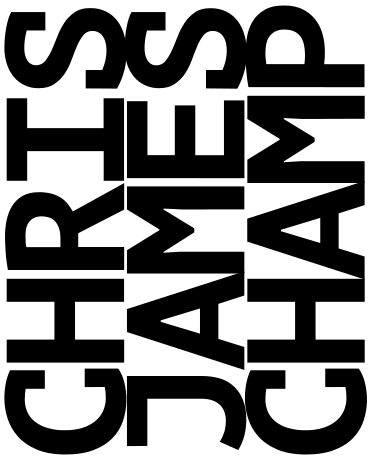
Visually, I also carried that cohesion into the motion graphics and title design. With Shepard Fairey creating the album artwork, I leaned into that aesthetic: bold, graphic, and iconic; and built a motion language that reflected it. The goal was to extend that visual identity into the film itself, so everything felt connected, from the artwork to the storytelling.
It was one of those projects where the structure didn’t exist until you built it... and once it clicked, everything else finally had something to hold onto.